What is Implied Sponsorship?
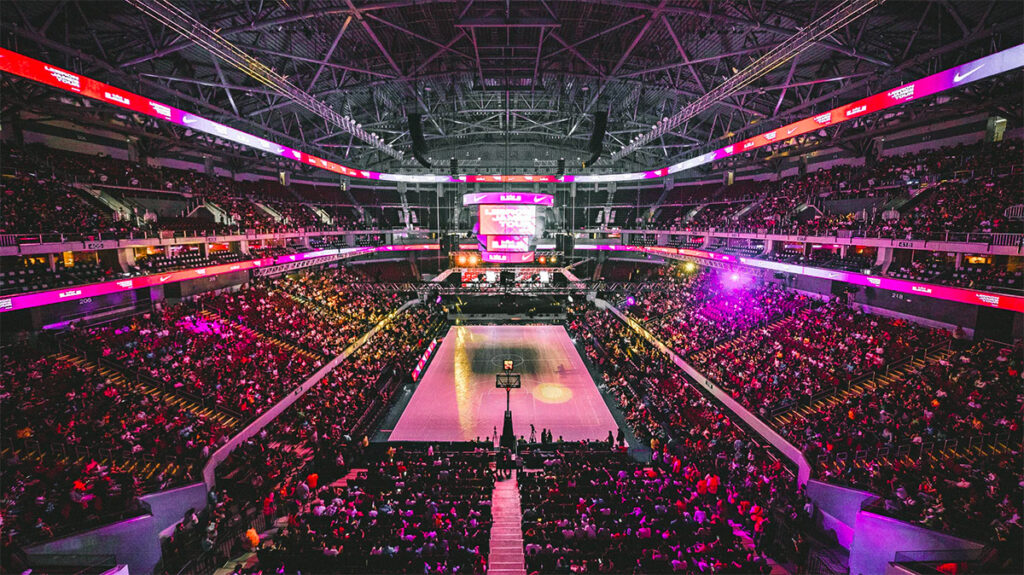
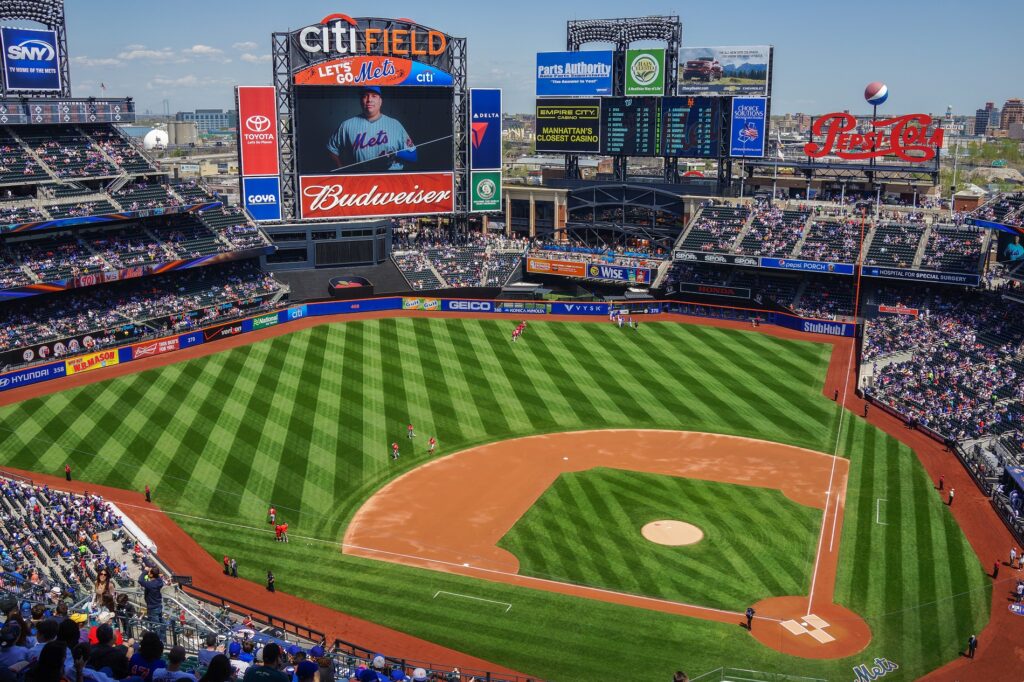
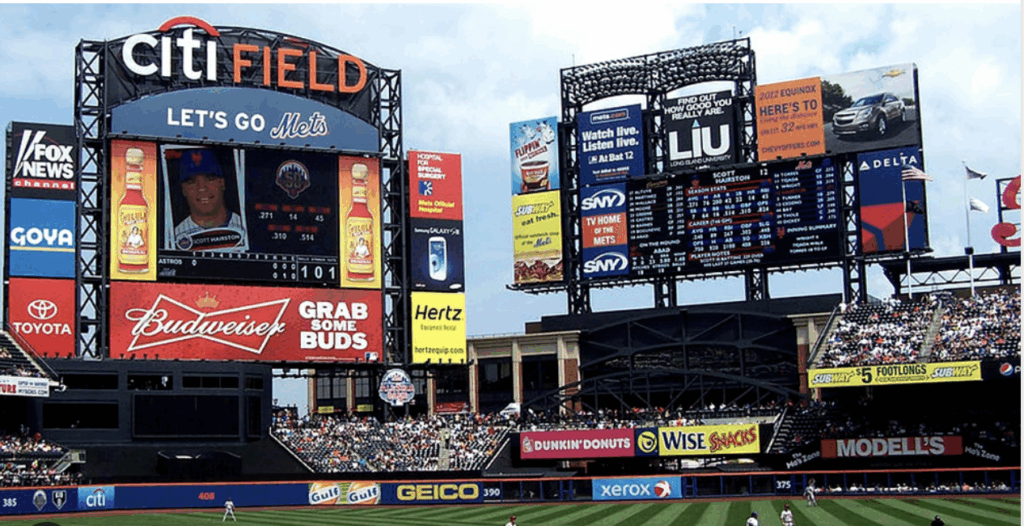
Implied Sponsorship is the ability to associate your brand with a sports team, event, or venue at a fraction of the cost. Instead of paying for an official title, this model focuses on strategically placing a brand’s message within the event using high-impact digital media assets, like Jumbotrons and digital displays. Fans see your brand integrated into the live experience, creating a powerful mental link without the “Official Sponsor” price tag.
“Implied Sponsorship isn’t about finding a loophole; it’s about smart, strategic marketing that delivers a higher ROI by focusing on the assets that truly matter.”
Key Differences: Implied vs. Traditional
-
Cost & ROI: Traditional Sponsorship is a massive capital expense. Implied Sponsorship is a highly efficient marketing spend, focusing budget only on assets that deliver a clear and measurable return on investment.
-
Flexibility: Traditional deals are often multi-year, rigid contracts. Implied Sponsorship campaigns can be run for a single game, a month, or a full season, providing incredible flexibility.
-
Speed to Market: Securing a traditional sponsorship can take months. Sportrons can develop and launch an Implied Sponsorship campaign in a fraction of that time.
Which is Right for Your Brand?
For the vast majority of brands seeking to build powerful brand awareness, engage with millions of fans, and achieve a measurable ROI, Implied Sponsorship is the clear winner. It’s a smarter, more efficient, and more flexible way to make your mark in the world of sports.